

This June, I took a break from the gym. I’ve been doing hour-long classes (30 spin/30 lift) three times a week almost every week since January, but after returning from Portland, I slipped into letting my body rest for a bit. I subbed in a couple yoga classes, long walks with Chandler, foam rolling and stretching, and a hike with my new backpack, loaded up with a 20-lb bag of cat litter, in preparation for a July backpacking trip.
But overall, I’ve had more time these past few weeks to spend on writing, job applications, and other stuff. I sometimes think about how the places you spend your time should theoretically speak to your values. It’s important to me to be functionally strong, but I’m not necessarily convinced that translates directly into devoting 6 hours a week (what with showering, transport, recovery, etc.) to the gym. But it’s weird—almost as soon as I stopped working out consistently, I started noticing more tweaked muscles, tension, and stiffness elsewhere. It’s almost like you can’t win! But hopefully the more I foam roll, the better that will get.
I keep thinking about all the different activities I want to pursue: hiking, walking, swimming, biking, yoga, weight lifting. I said to Chandler that I don’t feel like I have enough time in a week to do them all consistently, and he said, well, yeah, duh! He suggested I pick two at a time and focus on those, then move on to another two in a different season. Tough choices. And I still need to get a new bike!
Here are some things I loved in June:
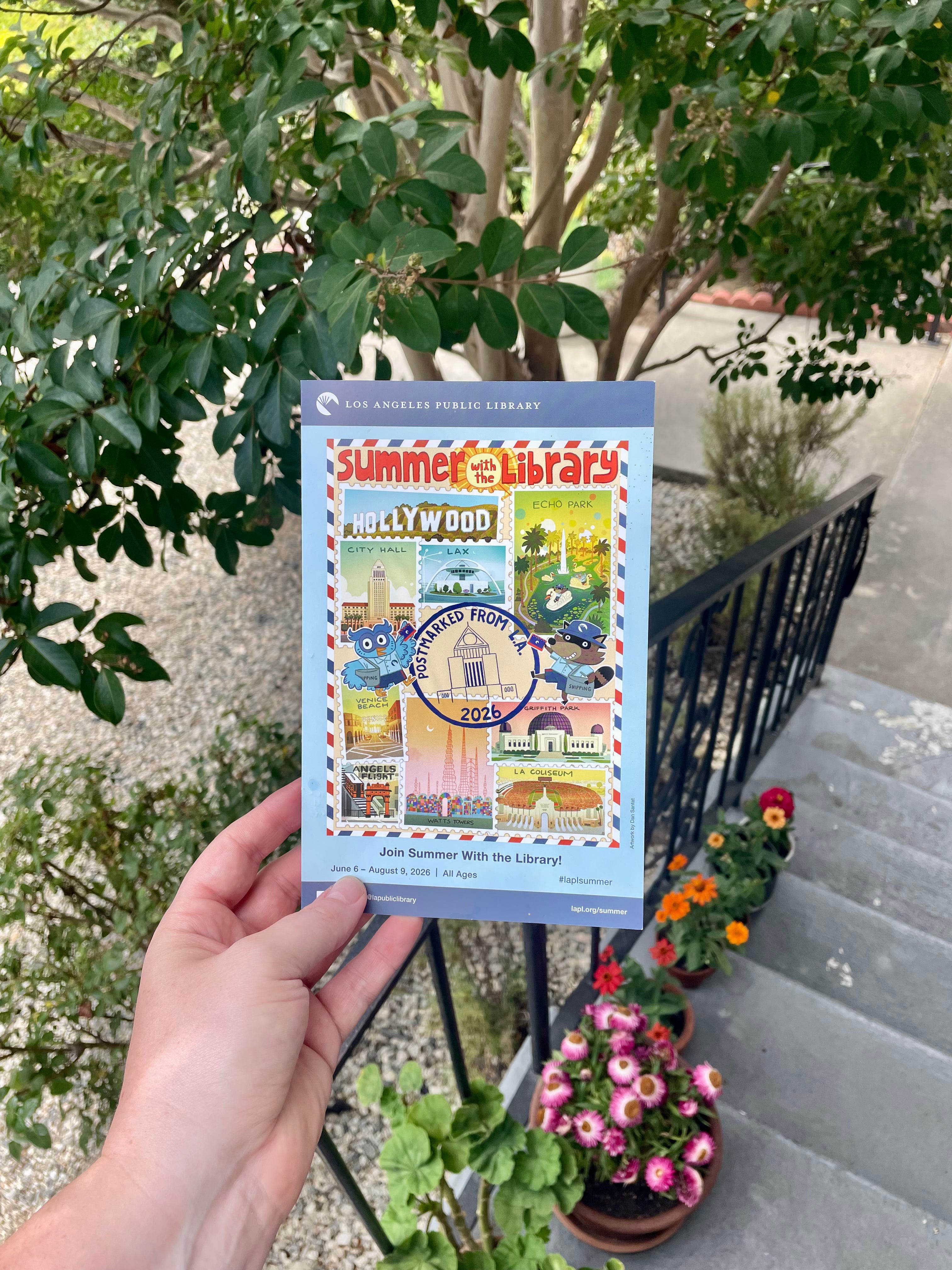
Summer with the Library: Chandler teased me relentlessly for participating in this clearly child-geared summer reading challenge, but I’d argue LAPL knows adults want to recapture the magic of summer reading too—they included adult books in their free book options when you sign up! Look, I’m mostly in it for the free LAPL-branded pencil pouch and mini tote, but checking off each little box is fun too.
read more: my first time at los angeles central library
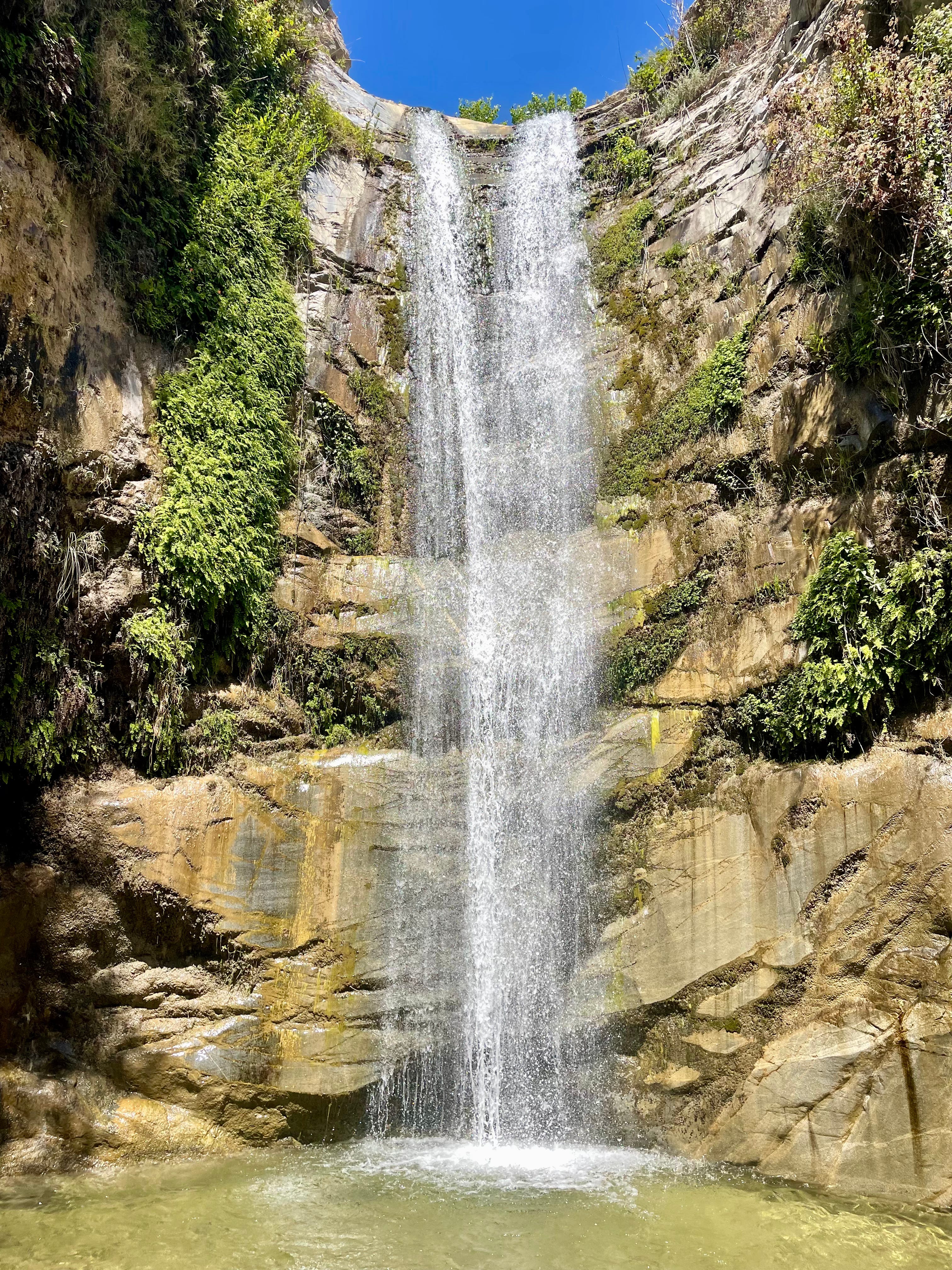
Water features: Summer’s the time, baby! For the aforementioned hike, a friend and I hoofed it to Trail Canyon Falls in Sunland-Tujunga, a fairly unspoiled gem in the San Gabriel Mountains. My sense was that it’s popular with locals as a swimming hole, but maybe hasn’t become an L.A. destination hike yet. There are plenty of water crossings on the way there, and we spotted one speedy hiker picking up trash on his way in and out, a true hero. The falls are beautiful, surrounded by ferns and moss, and create a gorgeous, mid-sized pool. I had a barely healed tattoo, so to play it safe, I just sat in the pool with my arm above the water, though the temptation to attempt a float was strong.
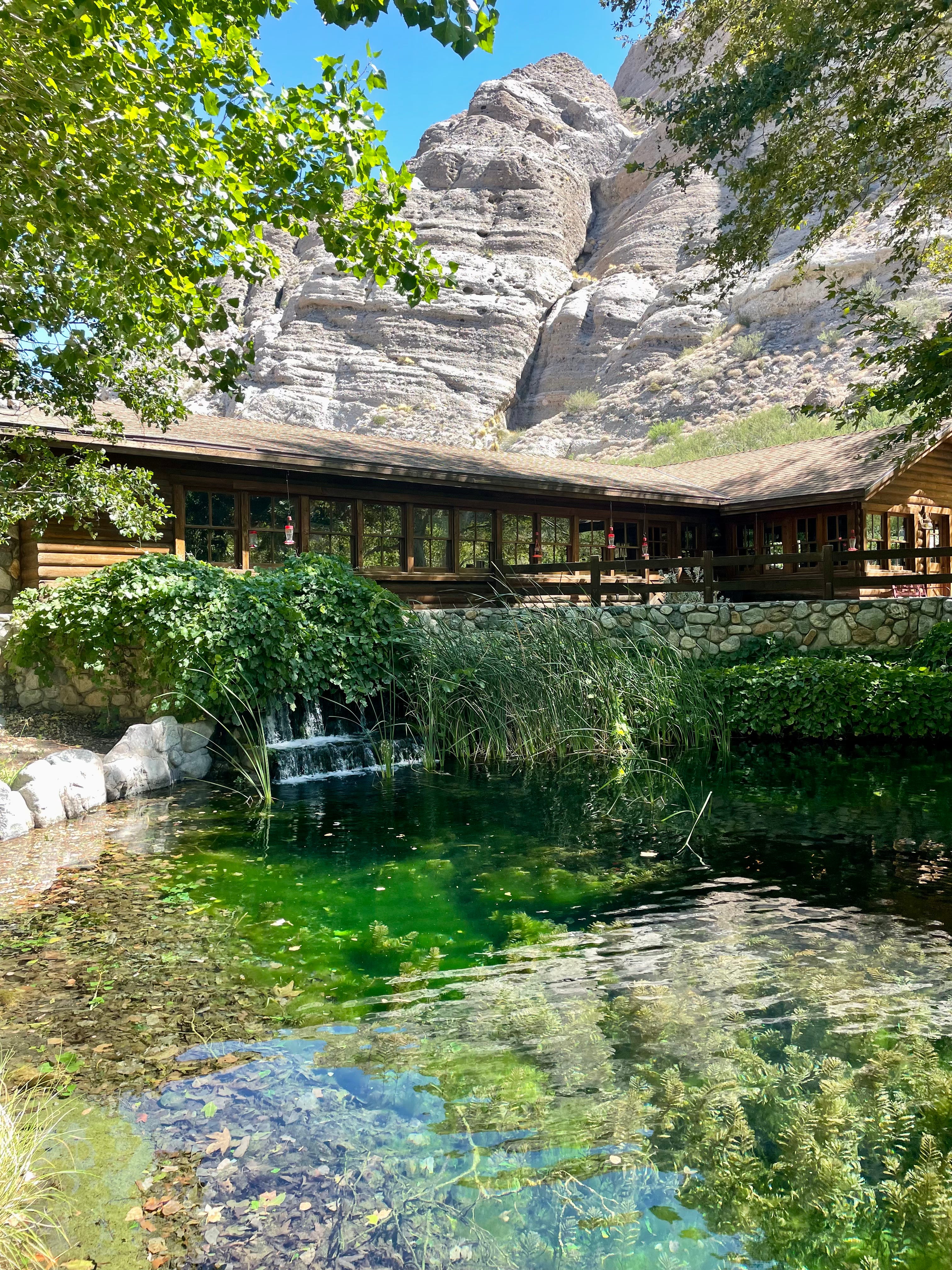
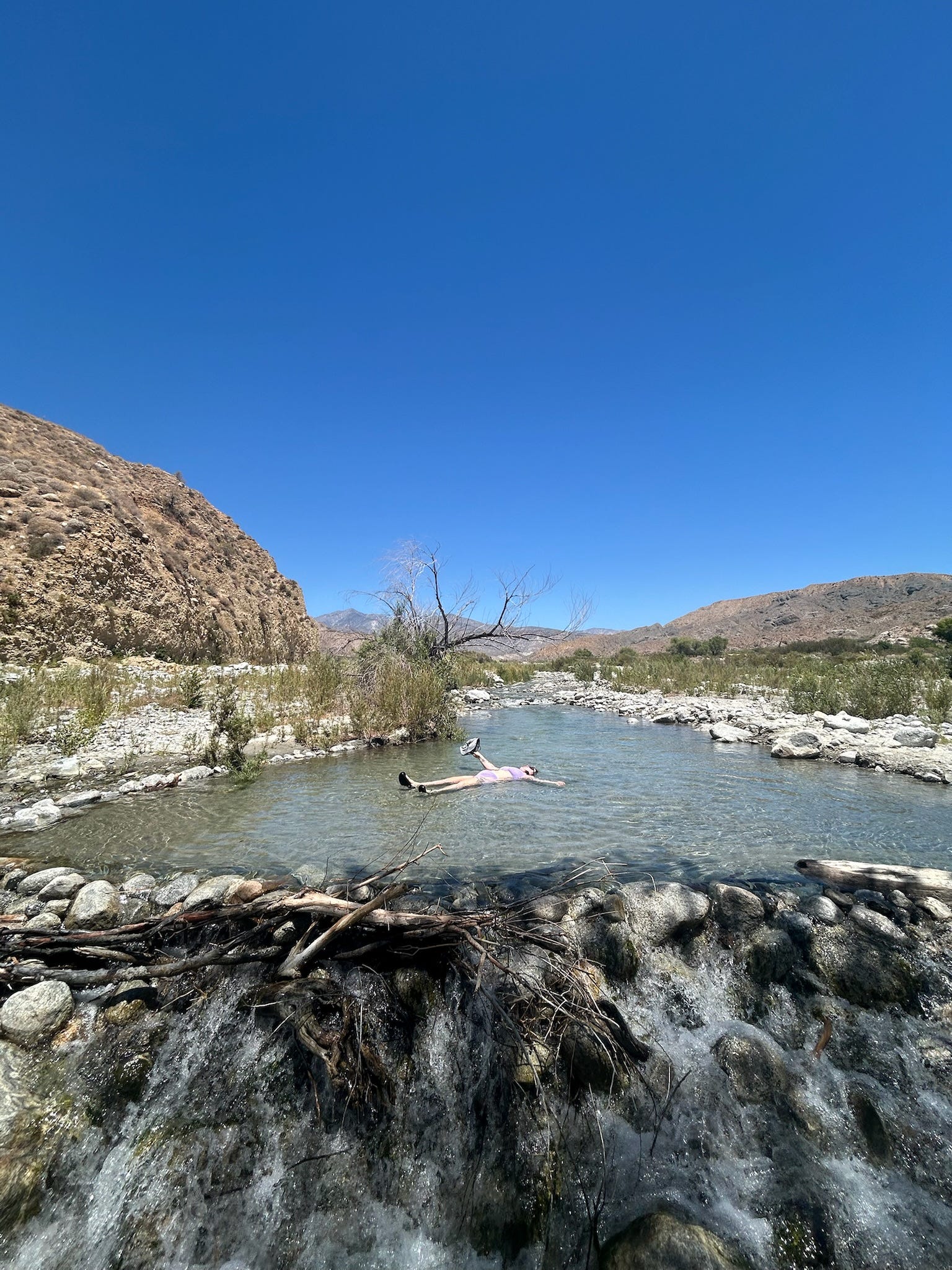
Then, just a couple days ago, some friends and I drove east to Whitewater Preserve, an oasis-like former trout farm now operated by the Wildlands Conservancy and part of the Sand to Snow National Monument. There’s an informative ranger station and some gorgeous pools near the parking lot, but a quarter-mile walk takes you to the star of the show and the traditional home of the Wanakik Cahuilla, the Whitewater River. I’m not sure how high the river can get, but at this time of year, it’s deep enough in places to submerge your whole body while lying flat, not deep enough to swim. But submersion is all you need. The water was deliciously cool, and we packed enough snacks to see us through until the preserve closes, at 4:15 p.m.
Here’s everything I read in June!
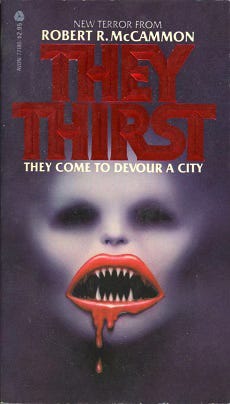
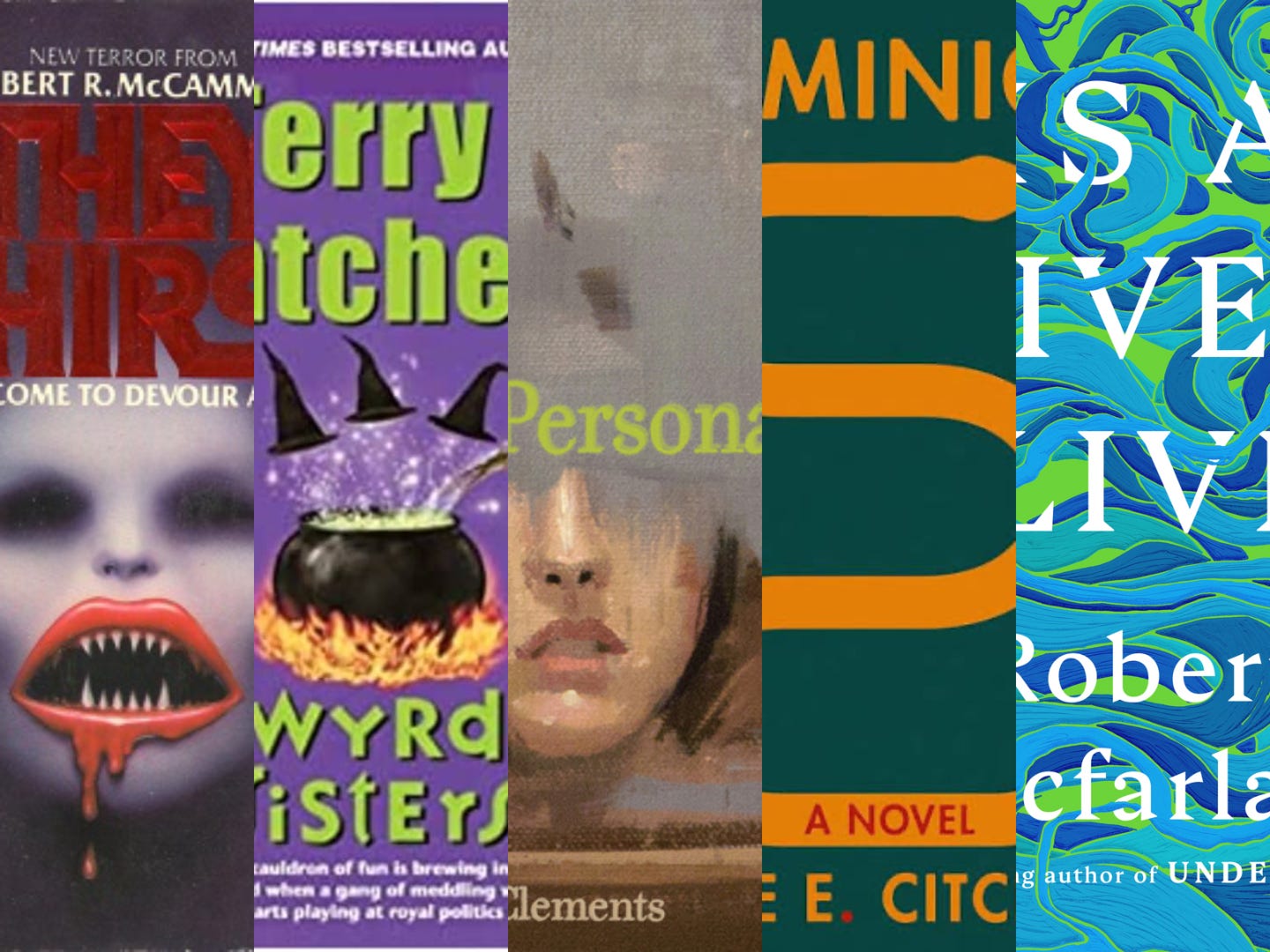
They Thirst, Robert McCammon (1981)
I’m so glad They Thirst was the latest pick for my Daily Bruin alum book club because tracking down a copy was delightfully difficult. After it was selected, I ran to LAPL to put it on hold, only to be informed by the site that their single copy is not available for holds. Mystified, I went to ThriftBooks, only to find out that there are few copies available, and those that are land anywhere from $50-$200 per copy. Even more confounded, I called the number the library had provided for more information to find out that their copy is marked reference only, though the helpful librarian let me know I could find a copy of the novel on the Internet Archive. Chandler stuck it on his knock-off Kindle for me to read, and that was that. But of course I had to do more research into why They Thirst is so hard to find, and according to a post I found, the author intentionally let it fall out of print because he doesn’t stand by it! This juicy bit of intel led to me dive in with abandon, eager to find out what could make an author disown their own work.
I can’t know for sure, but I have a guess or two. They Thirst is incredibly shlocky. Vulkan, a dark prince-style vampire acting on behalf of the devil, is hellbent on converting the entirety of Los Angeles into eight million vampiric citizens to help him take over the world. There are bikers—including an especially vile one named Kobra—gangsters, sex workers, even a Southern California weatherman who meets his death via sandstorm. And not a hipster in sight.
At times, McCammon’s trope-y treatment of his various L.A. denizens, from an on-the-rise T.V. star to a barrio priest to a depraved serial killer, goes from schlocky to distasteful. I could have done without the only two Black characters being a mystical psychic whose boyfriend won her off another man and a crack dealer. Additionally, several characters are given lengthy introductions, setting them up to be a key part of the rest of the novel, and then basically fall by the wayside.
But despite its failings, They Thirst is a wild ride that I couldn’t help enjoying. It felt like a fitting summer read for L.A., trashy and head-spinning and unpredictable.
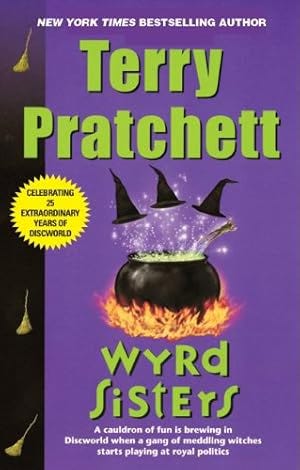
Wyrd Sisters, Terry Pratchett (1988)
I can now finally say I’ve read a Terry Pratchett novel.
I’m not sure why I put him off for so long. I had this weird sense going into the novel that I already knew what I was in for, some kind of been-there done-that quality. And that did pan out to some extent, since his writing employs the same kind of winking humor as other British pop cultural titans like Hitchhiker’s Guide to the Galaxy, Monty Python, and Doctor Who.
But it was still a delightful read. The novel follows three witches who reluctantly get involved in politics after a Macbeth-like character murders the king of Lancre, a kingdom in the Ramtops, notoriously magical mountains. There’s a touch of romance, a lot of silly puns, and even a witch with children!
Apparently the Discworld series, of which Wyrd Sisters is a part, is really a bunch of miniseries that all take place on the Disc but follow different characters. I’ll check out Witches Abroad the next time I need a laugh.
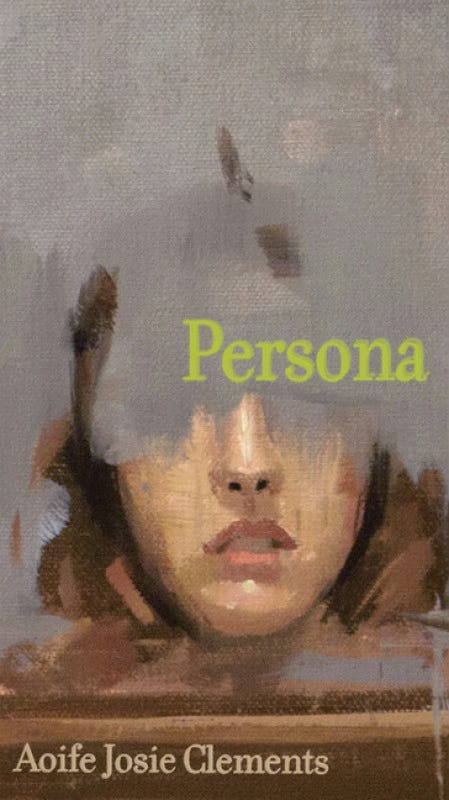
Persona, Aoife Josie Clements (2026)
Talk about a unique premise: Persona is possibly the only late-stage capitalism cosmic horror story nestled inside the veneer of a ghost-y doppelganger narrative. We open with Annie, a young trans woman who hasn’t left her apartment in a year and has basically gone feral. Her life, such as it is, stops when she comes across an amateur porn video featuring a woman who looks exactly like her. Then we pick up with Amy, her camgirl twin.
Much of the first half of the story feels more slice-of-life (albeit a life on the edge) than overtly horror. But Clements’s writing betrays the ghastliness present even in the familiar both for Annie and Amy, effectively deploying nauseating descriptions of Annie’s apartment and Amy’s nightmares.
Eventually Amy and Annie meet, then fall down a rabbit hole when they realize they share not only an apartment complex, but also an employer. The finale is truly skin-crawling, and their fates point to Clements’s larger point about trying to exist in a world built to exploit you.
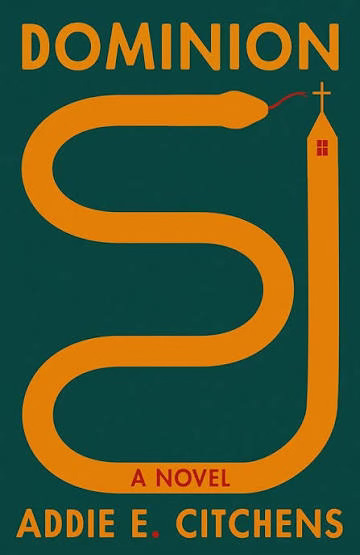
Dominion, Addie E. Citchens (2025)
Addie E. Citchens’s debut novel drops you into the small Mississippi town of Dominion, where the Church of the Seven Seals dominates daily life. The First Family—Reverend Sabre Winfrey, his wife Priscilla, and their five sons—seem like the picture of prosperity. But their youngest, high school football star Emmanuel Winfrey aka Wonderboy, will soon bring it all down.
The book alternates between the perspectives of Priscilla, who pop pills and slugs booze to cope with the contradictions of her life, and Diamond, Wonderboy’s naive girlfriend. The two of them paint a picture of a town where secrets aren’t secret, except that everyone acts like they are. To me, Dominion dissects women who enable their men, even when they behave poorly or even monstrously, and shows how it’s possible to make a different choice.
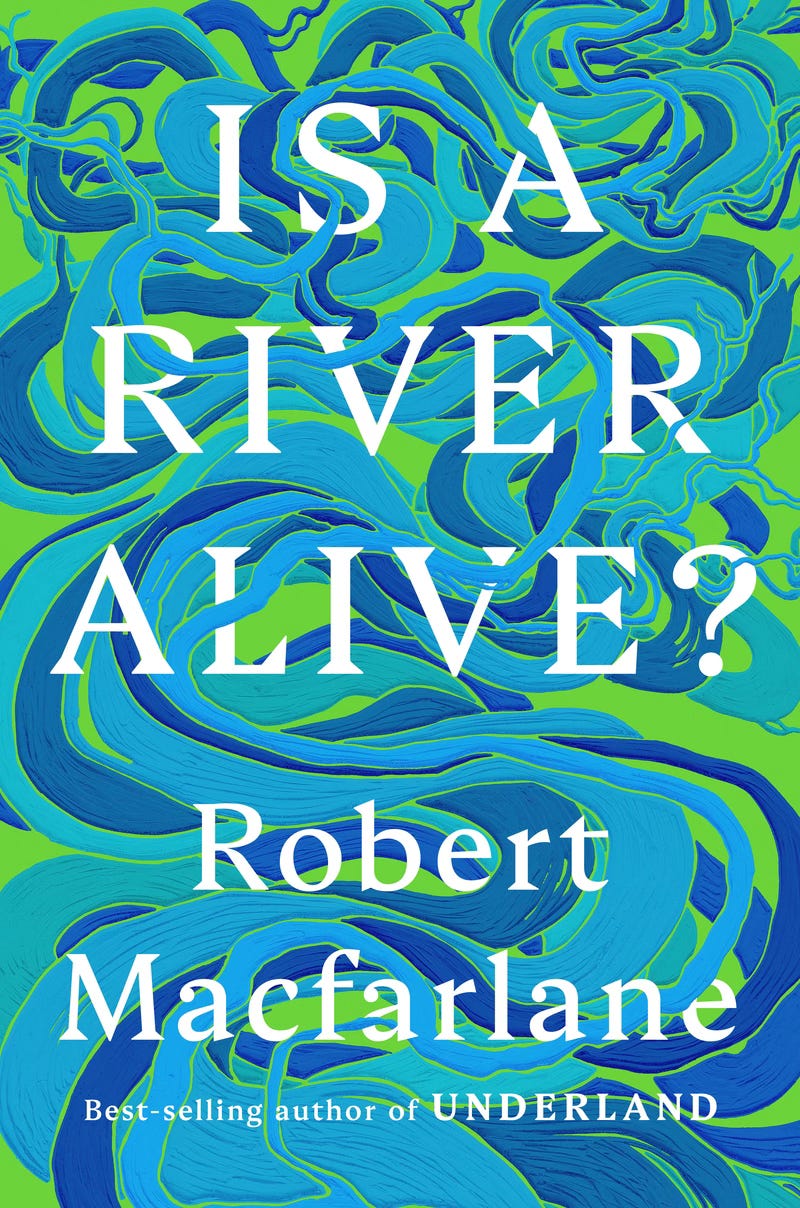
Is A River Alive?, Robert Macfarlane (2025)
I love rivers, so it felt like Is A River Alive? was made to appeal to me.
The non-fiction book centers around three rivers from Ecuador, India, and Canada that are under threat. Macfarlane, an accomplished nature writer, recounts his experience visiting each river with activists, naturalists, biologists, and others who are tied to the water. He intermingles this narrative with background about the threats facing the rivers (mining, industrial pollution, and dams) and the battles to save them, nearly always led by indigenous people. It’s fascinating and encouraging to learn about the Rights of Nature movement, which aims to give natural entities like rivers legal personhood and, therefore, rights. The movement isn’t always successful—Utah passed legislation explicitly forbidding such actions after activists tried to achieve it for the dying Great Salt Lake—but I finished the book heartened to know that it seems to be spreading on a local level.
The real standout for me was Macfarlane’s gorgeous prose. “That night the moon is full and huge and made of egg yolk, and bright enough to read by. The trees cast moon-shadows across our tents. Spruces living and dead stand in silhouette.” He leans a bit towards sentimentality, but how could one not be sentimental about such incredible natural features.
So many great summer pic(k)s!